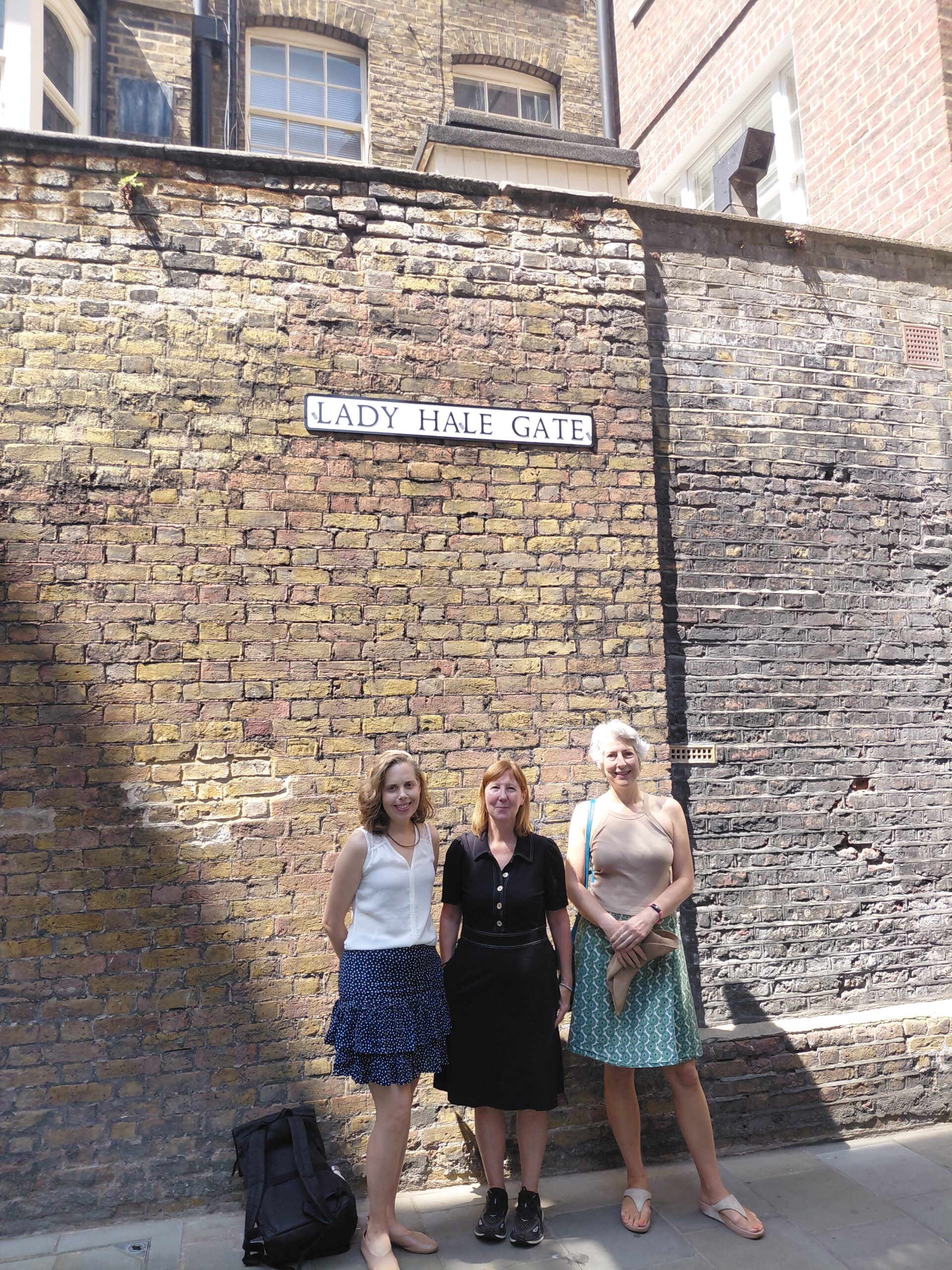
We recently met with Sue James, CEO of the Legal Action Group (LAG), to discuss access to justice, legal aid and the evolving challenges facing people seeking legal help.
LAG is a national charity that supports those working to achieve justice for people who are disadvantaged or whose voices often go unheard. Through publications, training, events and advocacy, LAG helps legal professionals and advice organisations navigate a rapidly changing landscape.
The conversation highlighted the growing gap between legal need and legal support, and the innovative approaches that could help bridge it.
Access to justice is increasingly a shared responsibility
One of the clearest themes from our discussion was the changing nature of legal advice provision. Notably, access to early legal advice has become increasingly difficult. In many cases, people are now seeking help from charities and community organisations, where non-legal staff are often the first point of contact.
Additionally, legal problems rarely exist in isolation, often co-existing with wider social challenges. Individuals do not experience their problems through legal categories, and support services cannot always operate effectively within them either. It requires services that can work together around the needs of the individual.
For legal practitioners, this means understanding how other legal issues may affect their clients. LAG has sought to address this challenge through conferences and events that bring together legal professionals and people with lived experience, helping practitioners develop a more holistic understanding of the problems individuals face.
Different places, different challenges
The discussion highlighted significant regional differences in access to legal support. Recruiting social welfare lawyers is difficult across England and Wales, but particularly challenging in rural areas.
Some organisations have responded by investing in future talent, recruiting and training law graduates to build local expertise. In other areas, remote advice has become an essential way of reaching communities where face-to-face provision is limited or unavailable.
Learning from overseas
Sue shared examples of approaches she has encountered internationally that offer valuable lessons.
In Australia, health justice partnerships bring legal and healthcare professionals together to help identify and resolve problems earlier. In Canada, trusted community intermediaries help people navigate complex systems and connect with the support they need.
Both models recognise a simple but important reality: trust matters. People are often more likely to engage with support services when they are introduced through a trusted professional or organisation.
Meeting people where they are
Research and pilot programmes have shown that individuals often do not access help early, even when support is available. However, there are clear points of contact, such as court hearings.
This creates opportunities for organisations to work together more effectively. Sue suggested that greater collaboration within courthouses could help create stronger referral pathways between services. Co-located services are an accessible option and can help build on existing trust.
Law centres are increasingly recognising the same principle, with many taking services directly into communities through outreach work and partnerships.
Looking ahead
Hearing from LAG reinforced a message we have heard consistently throughout our engagement work: legal problems rarely exist in isolation, and neither should the services designed to address them. As legal needs become more complex, there is a growing case for stronger connections between legal, advice, health and community services.
More stories


