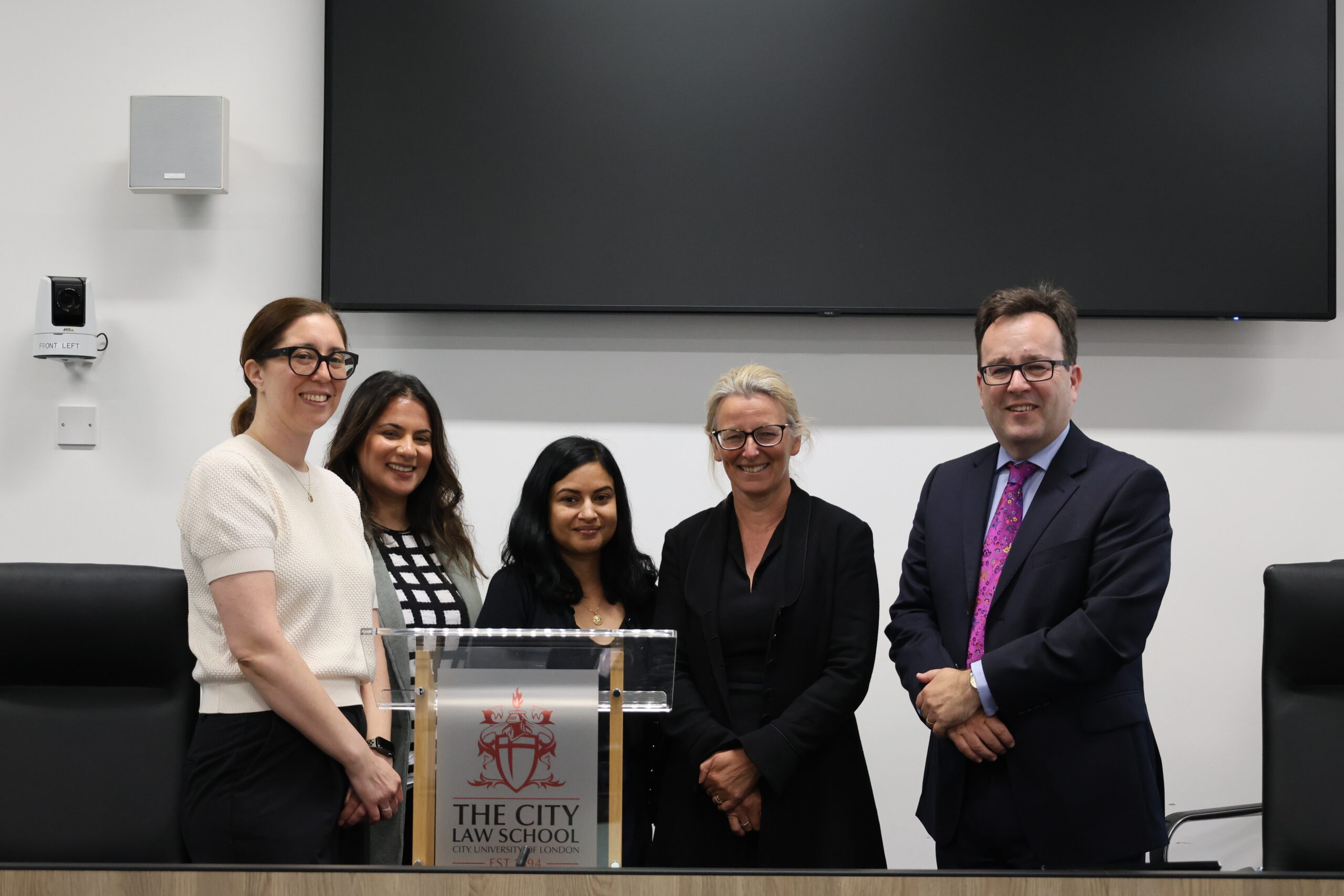
We visited City St George’s University of London to hear how it is preparing the next generation of lawyers for the realities of legal practice, with a commitment to practical learning, ethics, and emerging areas such as legal technology and AI.
Alongside this, the Legal Practice Hub showcased how universities can play an active role in bridging research, policy and practice, engaging regulators and policymakers in ongoing dialogue to inform future reform.
There was clear appetite for more structured engagement between regulators, particularly to explore consistency in approaches to legal education and training.
The Legal Practice Hub: A Bridge Between Research and Reality
The Legal Practice Hub brings together the legal profession, regulators and researchers to collaborate on projects that address real-world challenges in legal practice and education. Its work spans a wide range of areas, including criminal procedure and sentencing, alongside civil litigation, alternative dispute resolution, legal education and legal technology.
The discussion highlighted the importance of understanding different perspectives across the sector. The Legal Practice Hub aims to provide a space where educators, regulators and employers can bring their perspectives together, helping to identify gaps, challenge assumptions and build more coherent approaches. This is also a driver in the Hub’s desire to create a two-way relationship between policymakers and regulators.
There was also a clear call for greater alignment across regulators. We heard suggestions from participants that the LSB could use its convening role to facilitate conversations focused specifically on legal education and helping to ensure more consistency between regulatory bodies such as the SRA and BSB.
Legal Education in a Changing Landscape
The visit showed how legal education is evolving in response to shifts in the profession. The Legal Practice Hub’s work reflects that lawyers now need technical and policy skills alongside legal knowledge.
At the same time, concerns were raised about a growing disconnect between what is taught in law schools and the areas of greatest public need. Subjects like housing and social welfare law are less frequently taught, despite strong demand from the public.
Teaching students to use AI well
We published our AI plan for 2026/27 in June, setting out how we are working to enable safe AI-driven innovation in legal services. A central focus of the visit was to see how CSG was preparing students for a technology-driven future. Through initiatives like its AI Accelerator programme, the university is embedding digital literacy, professional skills and ethical awareness into its curriculum.
Discussions emphasised that AI should be understood as a tool. Students learn to question and evaluate AI outputs, not just use them.
However, challenges remain. Differences in regulatory guidance on AI were highlighted, alongside inconsistencies between expectations for students and qualified practitioners. Participants identified an opportunity for a more unified and coherent approach.
The Role of Pro Bono in Access to Justice
The visit to CSG’s Law Clinic showed clearly the continuing gap in access to legal services. The clinic receives around 5,000 enquiries each year but can only assist approximately 1,200, illustrating the scale of unmet legal need.
The clinic provides early legal advice while giving students hands-on experience. Its work is focused on areas such as housing disrepair and social benefits, alongside initiatives like the Innocence Project and school exclusion support.
Looking Ahead
Visits like this feed directly into our thinking as we develop the new three-year strategy. Regulation works best when it is grounded in real experience, and conversations with universities, clinicians, and advisers remind us of what is at stake. We will consult on the draft strategy later this year and welcome views from across the sector.
More stories


